
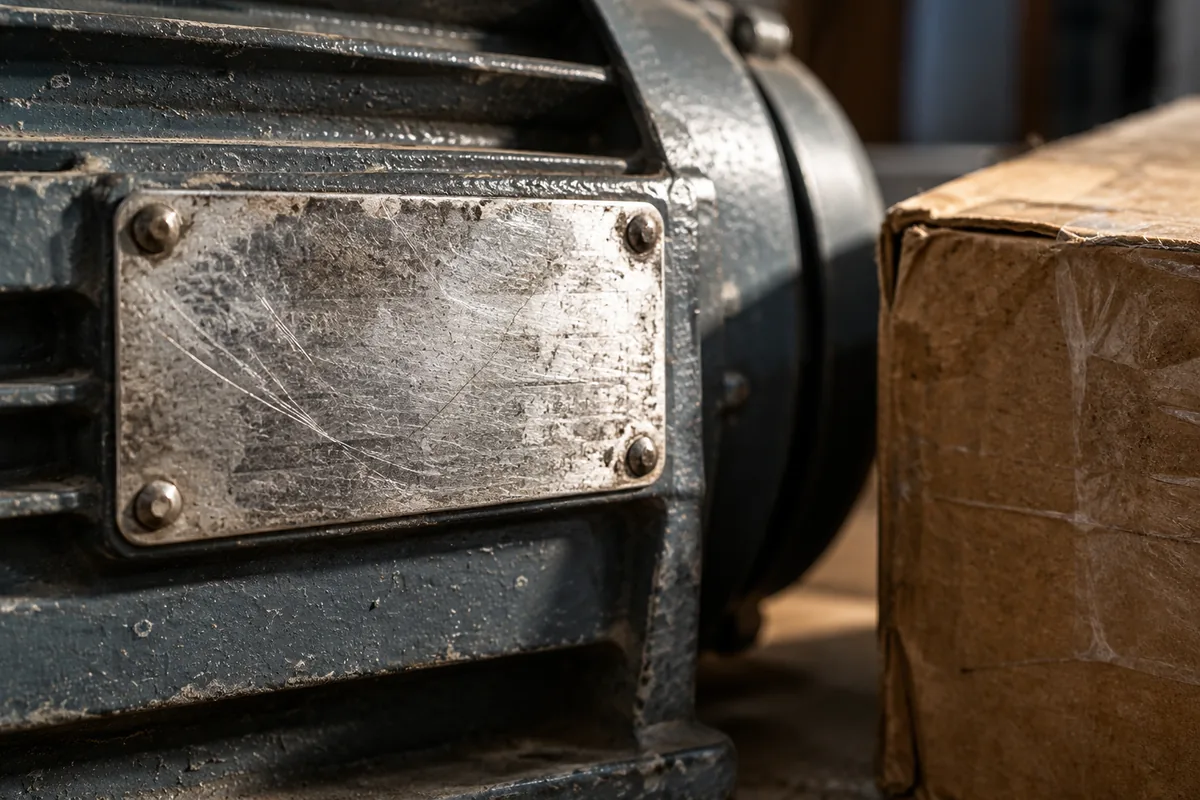
An illegible character on a product may indicate surface wear, coating damage, a feature of the application method or another change. Before examination, it is important to preserve the marking's condition and its connection to the object itself. Attempts to 'restore' an inscription yourself sometimes destroy features needed to explain what happened.
Photograph the area, not just the characters
First record the entire product and the position of the marked area. Then photograph that area under the available lighting without cleaning or mechanical intervention. Place a scale alongside it without obscuring the surface being examined. Glare, shadow and digital sharpening can change the visibility of characters, so preserve the original files.
What to compare
- Markings on different structural components.
- The plate, sticker, packaging and relevant documents.
- The identifiers of the model, series and individual item.
- Information about repairs, painting, restoration and casing replacement.
- Photographs of the product taken before the alteration was discovered.
Not every difference is a contradiction
A serial number, batch code, product code and part identifier may serve different functions. Their mismatch does not itself prove replacement or counterfeiting. The purpose of each marking and its connection to the manufacturer's documentation must first be clarified.
Why treating the surface yourself is risky
Grinding, etching, heating and use of an unknown solvent can alter the surface and application traces. Before taking such actions, agree on the need for the method, the grounds for intervention and its possible consequences with a relevant specialist. Information about any previous treatment must accompany the object.
What questions to discuss
Tasks may concern the application method, signs of alteration and the legible content of the marking within the available limits. Not every object allows the original characters to be restored. Establishing a specific sequence of operations or the time of alteration also requires specific supporting features and cannot be inferred from poor legibility alone.
If only photographs survive, their suitability is assessed separately. The absence of a visible feature in a compressed image is not equivalent to its absence on the product. The expert report must distinguish the observed condition, the examination result and assumptions about the origin of the alteration.